THE WEST — COAST
Leave the harbor. Read the water. Move with intention.
Opening — Harbor Departure
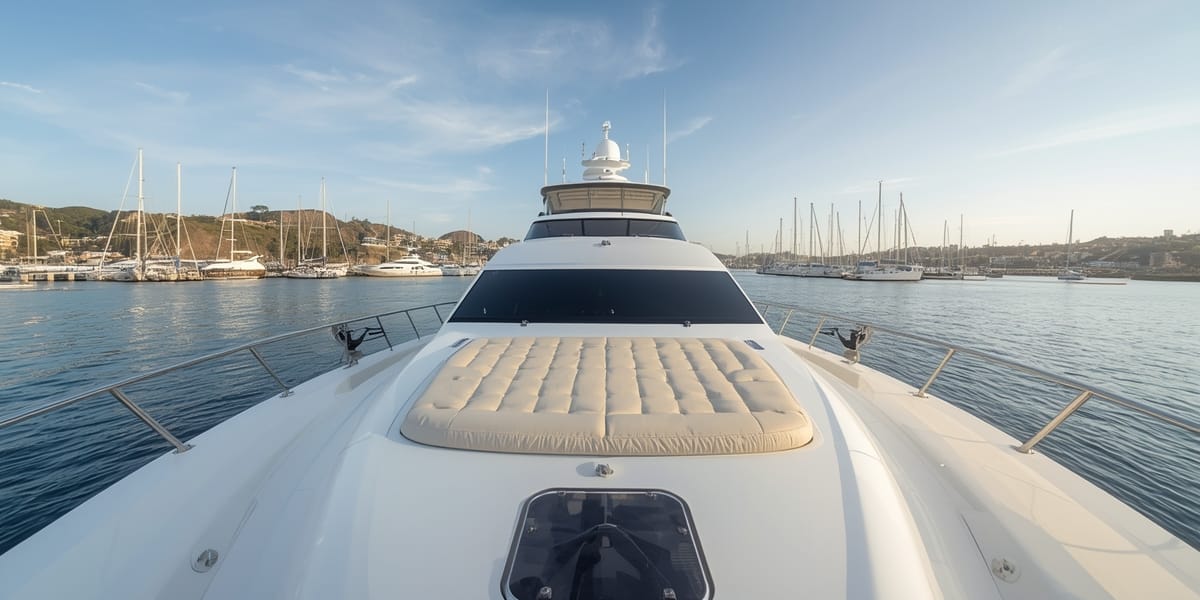
Morning light moves across the harbor as lines come free and the shoreline begins to fall behind you. The water looks calm, but the environment is already changing: glare, wind, wake, footing, temperature, and distance from the dock.
Your coastal expedition begins before open water. Read the conditions, secure your companion, and prepare the boat and gear for what can change once the harbor protection ends.
Loadout — Prepare for Movement
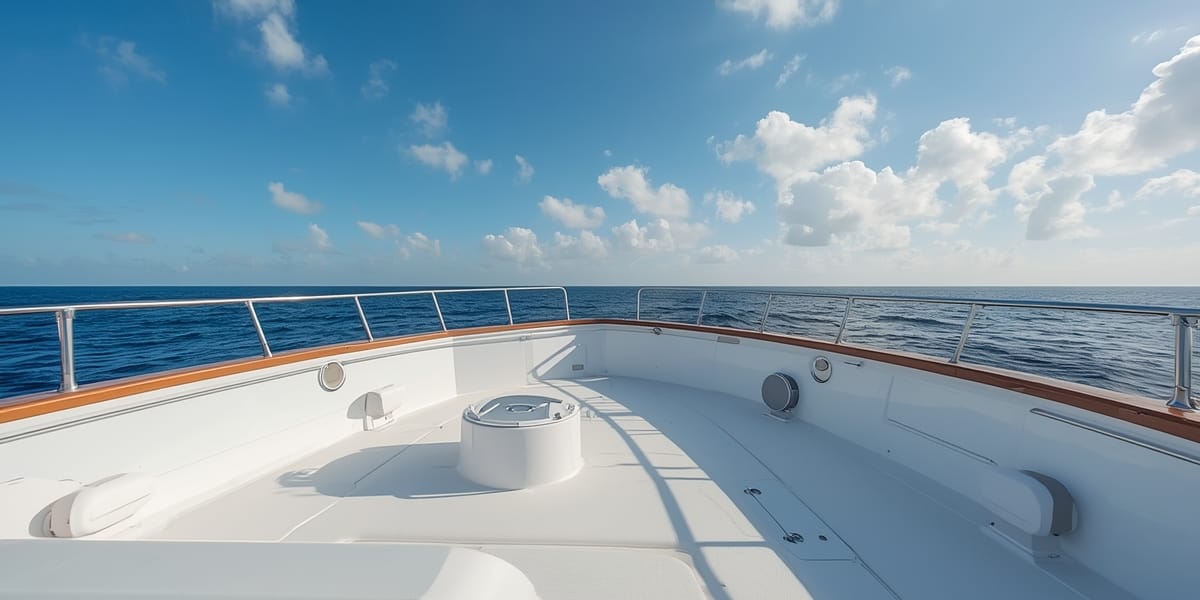
The coastal loadout is built around control, flotation, cooling, hydration, and recovery. Every item should solve a specific problem without cluttering the deck or restricting movement.
- Flotation — confirm fit, lift support, handle access, and secure closures
- Deck control — use traction and restraint where movement or wake can shift footing
- Cooling — carry fresh water, shade, and a cooling layer for exposed periods
- Navigation — confirm route, weather awareness, communications, and return margin
Harbor Challenge — Wake, Footing, Attention
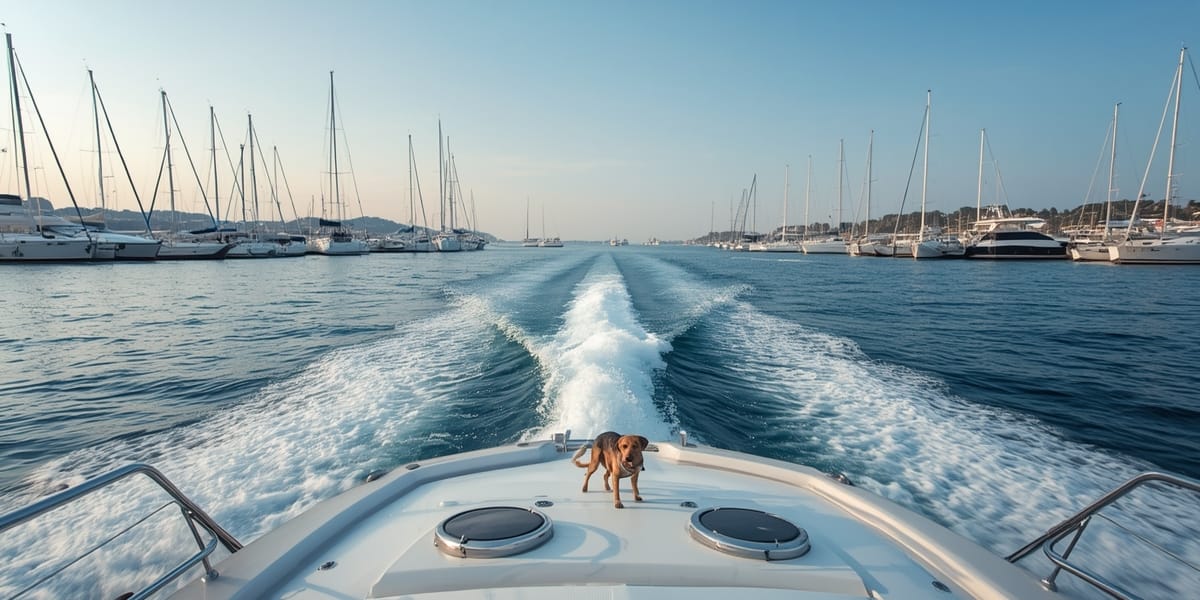
Traffic increases near the harbor exit. A passing wake rolls under the hull, lines shift, and the deck angle changes before the water looks dramatic.
Watch how your dog responds to motion before increasing speed. A confident dog can still lose footing when movement arrives from an unexpected direction.
- Secure movement before wake reaches the boat
- Keep paws on high-traction surfaces
- Prevent access to unstable edges during course changes
- Reduce speed if recovery after motion becomes slower
Exposure Challenge — Sun, Wind, Open Water
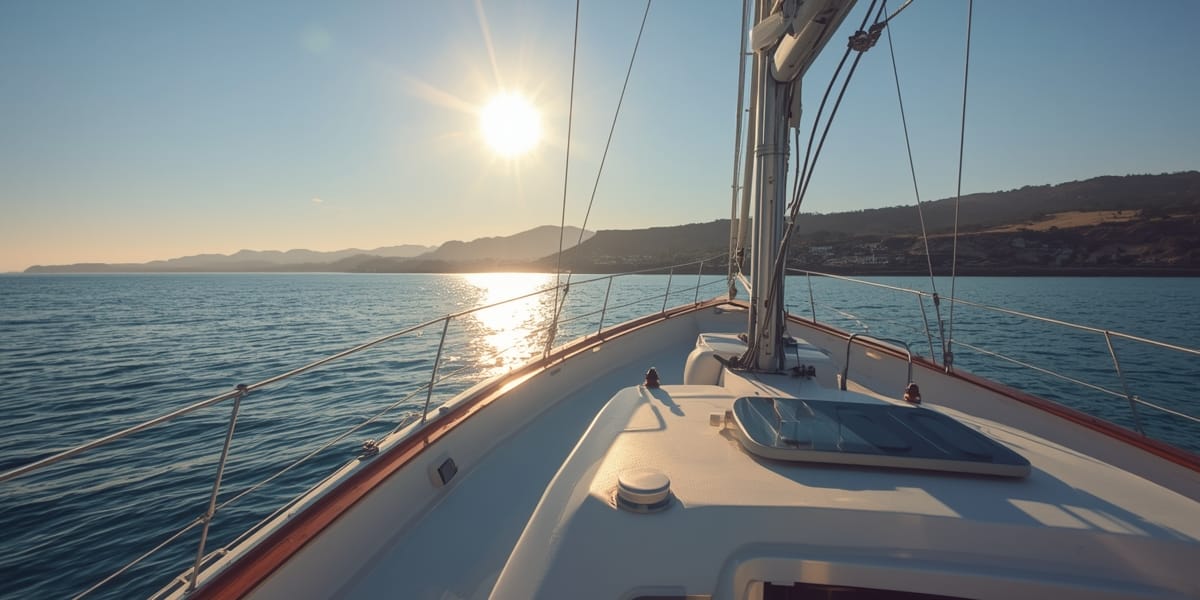
Outside the harbor, the breeze feels cooler while direct sun continues to build heat. That combination can hide fatigue. Salt air, glare, wind, and continuous balancing add work even when the boat is moving smoothly.
Field decision: manage exposure before your dog starts seeking relief. Protect fresh water, shade, secure rest, and an easy path back to the harbor.
- Move rest periods into shade before fatigue builds
- Offer fresh water instead of relying on surrounding water
- Recheck flotation and restraint after repeated movement
- Protect enough time and capacity for the full return
Coastal Fork — Choose Your Route
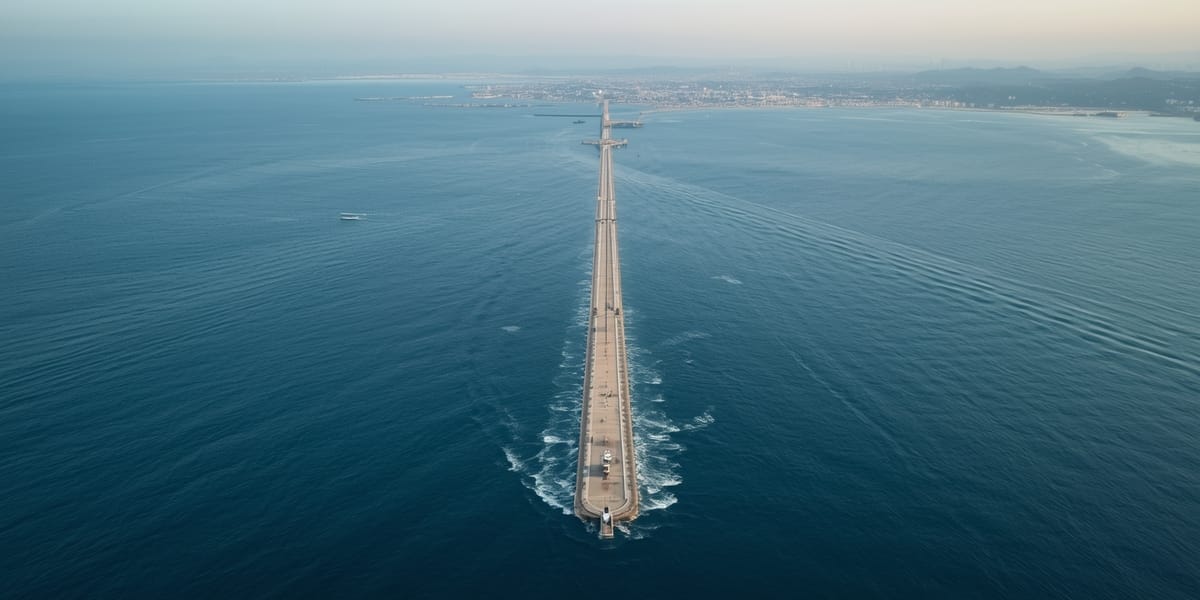
The harbor mouth opens into two very different experiences. Choose one route and open only that coastal sequence first.
1 — TIGHT WATER. You remain inside protected channels where traffic, docks, paddle craft, and wake patterns demand constant awareness. Reduce speed and keep your dog secured before close-quarter maneuvers.
2 — DOCK APPROACH. The quietest part of the route can create the most complacency. Prepare restraint, footing, and line handling before entering a dock or narrow landing area.
3 — CONTROLLED RETURN. Finish with the same discipline used at departure. Recheck hydration, paws, flotation, and behavior before the final docking sequence.
FIELD RESULT: Precision matters most when space becomes limited.
1 — OUTSIDE THE BREAKWATER. Wind and swell become more influential once harbor protection falls away. Secure your dog before the change in motion becomes obvious.
2 — HORIZON RUN. The route feels spacious, but exposure, motion, distance, and communications now matter more. Protect your turnaround margin before committing farther along the coast.
3 — RETURN WINDOW. Conditions on the way back may not match conditions at departure. Reassess comfort, sea state, water, shade, and reserve before extending the route.
FIELD RESULT: Freedom depends on preserving the return.
Final Reveal — Luxury Is Control Without Friction
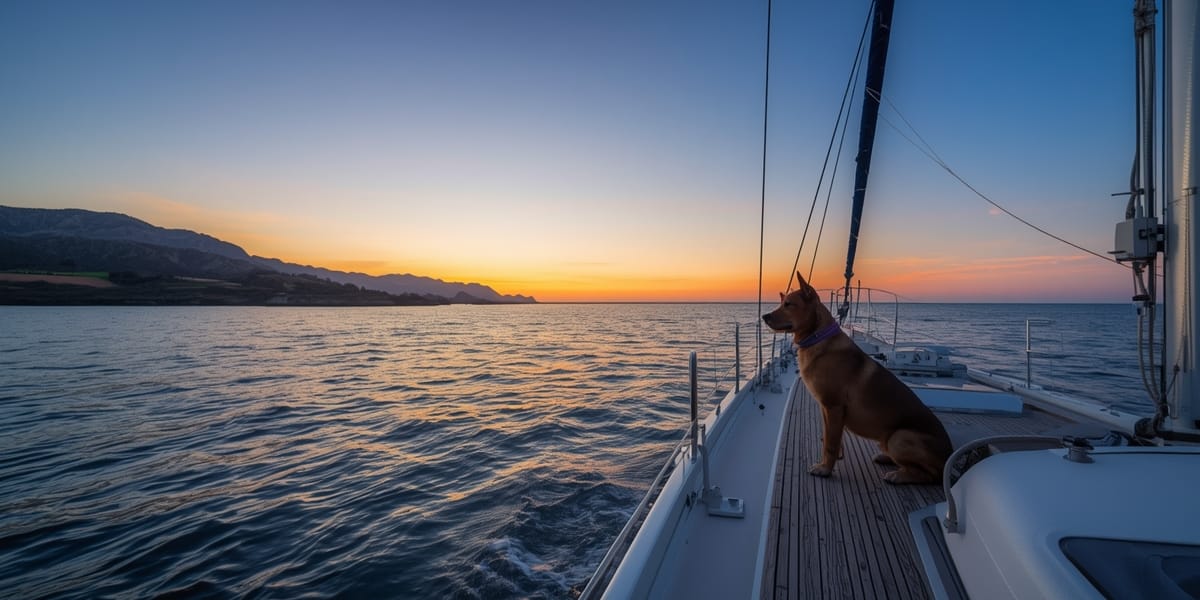
Two coastal routes. Different conditions. The same conclusion.
The elevated experience is not created by ignoring risk. It comes from making preparation, safety, comfort, and judgment feel seamless enough that the day still feels effortless.
That is the West side of the Wilder & West standard. Refined coastal living works because the structure beneath it is precise.
- Prepare before departure
- Secure movement before conditions change
- Protect hydration, shade, and recovery
- Preserve the return margin
- Make safety part of the luxury experience
Continue into the coastal lifestyle system.
The COAST prototype is now complete from harbor departure through branching choice and final reveal. Continue into Hound Society for the coastal experience side of Wilder & West.
Wilder & West — Explore. Learn. Equip. Belong.